

Thank you for Subscribing to Utilities Business Review Weekly Brief

Pedernales Electric Cooperative
George Leader, Vegetation Maintenance Manager
Targeted Utility Vegetation Management: Enhancing Reliability and Sustainability
George Leader
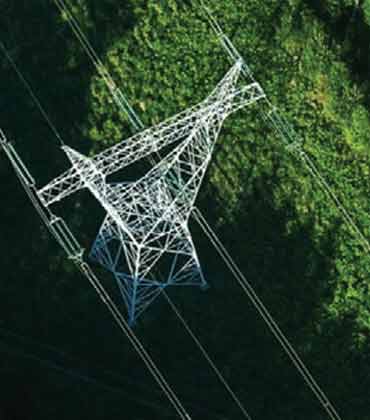
Utility vegetation management (UVM) plays a pivotal role in ensuring the reliability of our electric power systems. Beyond just maintenance, it holds the key to environmental sustainability. In this article, we delve into the world of targeted UVM, exploring how it can mitigate the urban heat island effect, enhance carbon sequestration, and contribute to a greener future.
The Urban Heat Island Effect Cities, bustling with concrete and asphalt, harbor a hidden menace: the urban heat island effect. This phenomenon causes urban areas to be significantly hotter than their rural counterparts. The absence of trees exacerbates the issue, posing serious health risks to city dwellers. As global warming intensifies, addressing this challenge becomes imperative. Targeted UVM: A Dual Approach Balancing Reliability and Sustainability In light of the rising monetary and environmental costs of traditional UVM practices, there needs to be a more balanced dual approach that harmonizes reliability and environmental consciousness. Consequently, conventional cycle trimming must give way to targeted trimming. Here’s how targeted trimming works: 1. Selective Pruning: By considering species, growth rates, and proximity to power lines, targeted trimming allows for more precise and adaptive vegetation management. No more one-size-fits-all solutions. 2. Risk-Based Focus: Armed with satellite imagery or Lidar data, utilities can pinpoint high-risk locations. Say goodbye to the old method of starting at the substation and trimming everything. Instead, focus efforts where they matter most. 3. Budget Optimization: Understanding tree species and growth rates enables utilities to allocate resources effectively. What’s needed this year? What can wait until next year’s budget cycle? Tree Growth Regulators (TGRs): Extending Trimming Intervals As a complementary tool, TGRs come into play. These regulators slow down tree growth, reducing the frequency of trimming. By extending intervals using TGRs, UVM professionals everywhere can strike a balance between reliability and environmental impact.Targeted UVM isn’t just about maintaining power lines; it’s about safeguarding our cities, improving air quality, and fostering a greener environment
The articles from these contributors are based on their personal expertise and viewpoints, and do not necessarily reflect the opinions of their employers or affiliated organizations.
