
A featured contribution from Leadership Perspectives: a curated forum reserved for leaders nominated by our subscribers and vetted by the Utilities Business Review Advisory Board.

Colorado Department of Public Health and Environment

Allison Wheeler, Wastewater Surveillance Unit Manager

Rethinking Disease Detection through Wastewater Surveillance
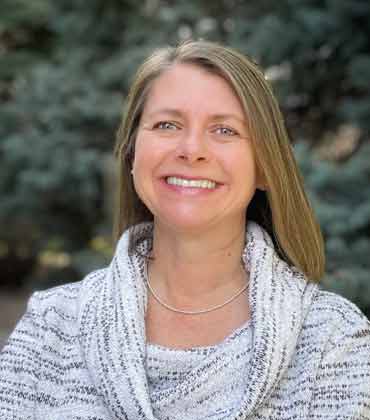
Allison Wheeler

Allison Wheeler

Community Disease Surveillance

Allison Wheeler is a public health professional specializing in epidemiological research and wastewater surveillance. She leads Colorado’s statewide program for monitoring infectious disease community trends and detecting outbreaks.

Building a Career in Disease Detection

I have worked in public health for 15 years. My career at the Colorado Department of Public Health and Environment began in the early 2000s as a communicable disease epidemiologist. We were a small team of generalists handling infectious disease concerns for the state and worked with the Centers for Disease Control and Prevention (CDC) on special studies.

In 2020, I returned to the health department to help during the pandemic and took on the open waterborne disease epidemiologist position. Wastewater surveillance has since grown into a more-than-full-time responsibility, supported by a team of nine focused solely on this work, with additional personnel working in wastewater surveillance at our state lab.

Seeing Disease Patterns before Clinical Cases

In Colorado, wastewater surveillance offers us an innovative way to monitor disease trends without relying solely on people seeking medical care. By detecting viruses shed into wastewater, sometimes before individuals develop symptoms, we can identify trends of illness within our communities and share them with healthcare providers.

The data helps individuals understand what is circulating in their communities and make informed decisions about vaccination and travel. Healthcare providers can use it to educate patients about vaccinations and determine what to test for when patients present with specific symptoms.

To sustain this program, we need greater public awareness of its benefits. We also share success stories with federal partners to demonstrate the program’s value to advocate for continued funding.

In Colorado, wastewater surveillance offers us an innovative way to monitor disease trends without relying solely on people seeking medical care.

Leveraging Data to Monitor Viral Strains

Colorado was designated a Wastewater Center of Excellence by the CDC in 2022, recognizing the state’s early adoption of wastewater surveillance during the pandemic. As a Center of Excellence, we share lessons learned and experiences with other states developing their own programs.

Our laboratory was among the first to develop an analysis pipeline to sequence wastewater. Improved pathogen detection techniques allow us to identify more viruses, including some we could not detect previously.

We also use cell phone mobility data to interpret wastewater findings. In high-tourism areas, this can help determine whether an influx of visitors, such as at a ski resort during a holiday weekend, contributed to the increase.

Despite federal funding challenges, in collaboration with our Center of Excellence partners at the University of Denver, we are developing a national sentinel surveillance site model for CDC. The team is identifying sites with historically high viral concentrations and locations where viruses may be introduced into the country, using mobility data, among other metrics, to inform site selection.

Making Surveillance a Shared Effort

Effective health surveillance requires collaboration and consistent communication. Internally, we maintain close communication with department leadership and combine wastewater surveillance findings with clinical data and insights from our respiratory virus and vaccine-preventable disease partners. Bringing these sources together helps us develop a unified message for healthcare providers and the public.

In collaboration with local public health partners, we also raise awareness through STEM programs at schools and colleges and presentations at city council meetings explaining how wastewater surveillance benefits their communities. Our wastewater utility partners are indispensable, collecting samples in kind and sharing information with us about their systems to help interpret results. Their operational knowledge and continued cooperation have helped us establish and expand a system that wasn’t used in Colorado until the pandemic.

Sustaining the Future of Public Health

Despite current funding challenges, I believe we must remain committed to public service and continue investing in innovative surveillance methods. Community-level metrics offer a broader view of disease activity, but they should complement, not replace, clinical surveillance.

My advice to public health professionals is to stay committed to protecting communities, which is especially important during difficult periods. Our responsibility is to provide information that helps people understand and reduce their risk of disease.

The articles from these contributors are based on their personal expertise and viewpoints, and do not necessarily reflect the opinions of their employers or affiliated organizations.