Thank you for Subscribing to Utilities Business Review Weekly Brief

NorthWestern Energy
Christopher Forbeck, Director of Total Rewards
Strengthening Organizations Through Transparent Leadership
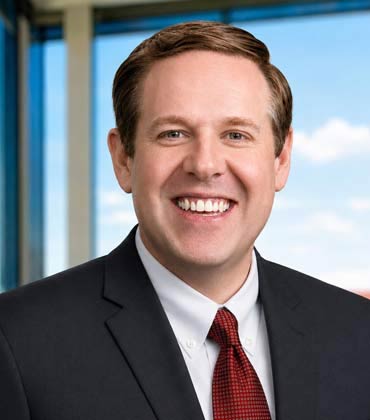
Christopher Forbeck
Christopher Forbeck is Director of Total Rewards at NorthWestern Energy, where he has spent five years leading compensation, benefits and workforce strategy. His path into human resources was a deliberate pivot made more than a decade ago and it proved to be the right one. Since then, he has built deep expertise across total rewards design, organizational transformation, labor relations and enterprise HR systems. His approach to leadership centers on a straightforward conviction: employee needs and business objectives are not in conflict and the strongest programs serve both at once. At NorthWestern Energy, he has translated that belief into initiatives that drive workforce engagement, support long-term growth and strengthen operational effectiveness across the organization.
When Trust Becomes a Leadership Strategy Trust is not a soft concept. It is the operational foundation of effective leadership. When people feel genuinely trusted, they take ownership, share ideas freely and push past the limits of their current roles. Creating that environment is not accidental. It requires consistent coaching, honest development conversations and a genuine willingness to put people in situations that stretch them in meaningful ways. Strong engagement follows when employees know real support sits behind the autonomy they have been given. That is where teams grow stronger over time, building capabilities that no hiring budget can buy outright. Balancing Expectations Without Losing Sustainability Employee expectations have shifted in ways that are not temporary. People expect competitive pay, meaningful benefits, flexibility, career growth and genuine purpose. They expect all of it simultaneously and those expectations keep rising. Organizations have to meet those demands while staying financially responsible and aligned with their broader mission. That tension is real and no clean formula resolves it. What has changed structurally is the role Total Rewards plays inside organizations. It is no longer viewed as compensation and benefits administration. It has become central to how organizations attract, retain and engage talent, especially as workforce and skill shortages continue to intensify across industries. Making Career Growth Easier to Understand Transparency is now a baseline expectation. Employees want to understand how progression works, how compensation decisions are made and what real growth paths look like. That clarity cannot be improvised. Within our organization, we invested significant time developing job-leveling criteria and careerpathing frameworks to create genuine consistency across roles and levels. The result was a foundation employees could use to understand where they stood and where they could realistically go. That kind of infrastructure pays forward in ways that are easy to underestimate. When employees and leaders work from a shared understanding of expectations and progression, talent management becomes more productive and far less reactive. Conversations shift from negotiation to development. "Leaders who genuinely understand Total Rewards hold more effective, more credible conversations with their teams. They stop operating from uncertainty and start leading with clarity and conviction. That shift in confidence is visible to the people they lead." Using AI to Support Employee Understanding AI has generated more conversation than almost any other topic in recent years and most of that discussion centers on automation and efficiency gains. The more practical question is how organizations can use it to help employees access information and understand their options without waiting for a scheduled meeting or relying on a manager to explain things in real time. We focused on building AI-supported tools that surface leveling criteria, compensation philosophy and career progression in a clear and accessible way. That matters because employee understanding does not scale on its own. The intention is not to replace dialogue between employees and their managers. It is to make employees better prepared for those conversations and to reach people at meaningful scale as workforce demographics keep evolving. Preparing Leaders Before Problems Arise One of the most consistent gaps I have observed is leaders entering management without a working knowledge of Total Rewards. Whether someone moves up from an individual contributor role or joins from outside, a steep learning curve around compensation decisions, career conversations and employee expectations often follows. By the time problems surface, trust is already strained. Investing in leader education early, before those conversations go wrong, has proven mission-critical. Leaders who genuinely understand Total Rewards hold more effective, more credible conversations with their teams. They stop operating from uncertainty and start leading with clarity and conviction. That shift in confidence is visible to the people they lead. Total Rewards as a Business Strategy The most significant shift in this field is the move from HR function to genuine business partner. That distinction changes everything. To do Total Rewards well, you have to understand the business itself, the industry it operates in, the pressures it faces and what will actually help it succeed over the long term. When organizations design Total Rewards with that understanding, it stops being an administrative requirement and starts functioning as a strategic enabler. It shapes how organizations compete for talent, how they retain people through difficult periods and how they build cultures worth staying in. For professionals moving into this space, that shift in thinking is the most important step. Total Rewards can look, from the outside, like compensation tables and benefits enrollment. When you understand the business deeply and support it strategically, the perception of the function changes and so does the reach of your influence. Organizations that approach Total Rewards this way are better positioned to attract the talent that matters most, retain the people who drive results and build the kind of employer reputation that compounds over time. That is where the work becomes powerful.The articles from these contributors are based on their personal expertise and viewpoints, and do not necessarily reflect the opinions of their employers or affiliated organizations.
