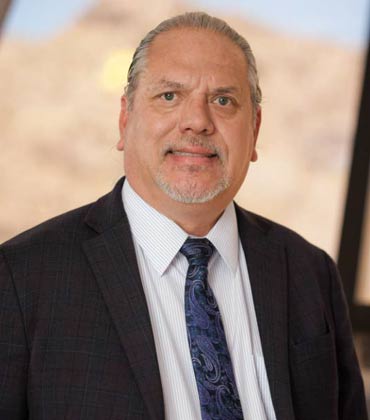
David Tavares
Community Infrastructure StewardBalancing Infrastructure Priorities with Community Needs
Public works is about more than maintaining alleys, managing solid waste or keeping reliable water clean and flowing. These essential services are part of what makes a community safe, healthy and livable.
Yet, meeting these responsibilities is becoming more challenging as infrastructure ages, service area demands grow, and budgets remain tight. When the cost of heavy equipment and waste disposal increases, public works leaders must make difficult decisions about where to invest limited resources, and also ensure essential services continue to meet residents' needs.
Here in Tempe, AZ, doing this well requires more than technical expertise. It takes sound judgment, clear communication to the community, being fiscally responsible and having a long-term commitment to building infrastructure that our community can depend on for years to come.
Leadership Lessons in Managing Public Works Operations
Throughout my 28-year career here in Tempe, I've learned that effective leadership in public works starts with listening first, then taking action. Frontline employees often have the best understanding of day-to-day operations, while residents expect reliable, cost-effective services.
Working closely with other city departments is just as important because our responsibilities often overlap, and coordination can make a real difference in how well we serve the community.
Last year, a microburst hit Tempe, downing over 700 trees throughout the city. All departments had to act as one to meet the needs of the community.
Accountability is another lesson that has shaped my approach to leadership. Building public trust means being honest about challenges, timelines and budget limitations. It also means recognizing when something isn't working, taking responsibility and giving staff the opportunity to share ideas and help develop solutions.
Public works takes sound judgment, clear communication, being fiscally responsible and having a long-term commitment to building infrastructure that a community can depend on for years to come.
Learning that kind of adaptability is essential in public works. Technology continues to evolve, emergencies can arise without warning and community needs change over time. You need to be willing to reconsider existing practices, learn from experience and make adjustments when necessary.
I've learned that we can't keep doing things the same way just because that's how they've always been done. Learning from mistakes and being willing to make changes helps us handle everyday challenges and respond when unexpected situations arise.
Ways Municipalities Can Improve Essential Utility Services
For municipalities, improving utility services starts with understanding the condition of the infrastructure they already have. Knowing which water lines, pumps and other assets are nearing the end of their useful lives helps leaders plan and schedule repairs, set priorities and make better use of limited funding.
Technology can support these efforts. Smart meters, monitoring systems and GIS mapping help staff identify water loss, spot potential problems and better understand how their systems are performing.
Preventative maintenance is another important part of keeping utilities reliable. Addressing problems early can help avoid costly emergency repairs, extend the life of equipment and minimize disruptions for residents and businesses.
Just as important is making sure departments work together. Engineering, field operations and finance may approach a problem from different perspectives, but their decisions need to align. Here in Tempe, we bring these teams together early in the process, sometimes years in advance, to help make practical long-term investments and keep essential services running reliably.
Emerging Trends Impacting the Future of Public Infrastructure
Several changes are already affecting how municipalities like Tempe plan for and manage public infrastructure.
Here in Arizona, extreme heat, drought and severe storms are putting additional pressure on systems that may have been designed for very different conditions. Cities need to consider these risks when planning repairs, replacing aging infrastructure and equipment and deciding where to invest limited resources now and in the future.
Cybersecurity is another growing concern as utilities rely more on connected equipment and automated systems. Protecting these systems requires secure networks, employee training and a clear plan for responding to an incident.
At the same time, many experienced public works employees are nearing retirement. Finding and training the next generation of operators, technicians and engineers will be critical to maintaining reliable services and passing along the knowledge that keeps systems running.
Technology also offers opportunities to improve how public works departments operate. Data analytics and artificial intelligence can help identify potential equipment failures, identify potential waste contaminants, improve maintenance planning and support better capital investment decisions. The key will be using these tools in practical ways that help staff make informed decisions with the data and continue to deliver dependable services to the community.
The Foundations of a Career in Public Works and Infrastructure
For anyone starting a career in public service, my advice is to stay curious, ask questions and take every opportunity to learn. There is a lot to understand in this field, from how infrastructure systems and heavy equipment operate to how our decisions affect the people who depend on them every day. Find experienced people who are willing to share their knowledge, spend time in the field, and learn from both successes and mistakes.
Just as important, take pride in your daily work and remember that people are counting on you. Whether you're maintaining a water system, resurfacing an alley, picking up the trash, or helping plan a major project rollout, know that your contribution matters.
Be willing to try new approaches, but also respect the experience of those who have kept these systems running for years. Public works is ultimately about serving people in the community, and the work you do can make a lasting difference.