Thank you for Subscribing to Utilities Business Review Weekly Brief

Durham County Government
Shawn Davis, Assistant Director, Environmental Maintenance General Services
Leading With a Purpose: Lessons in Government Leadership and Environmental Services
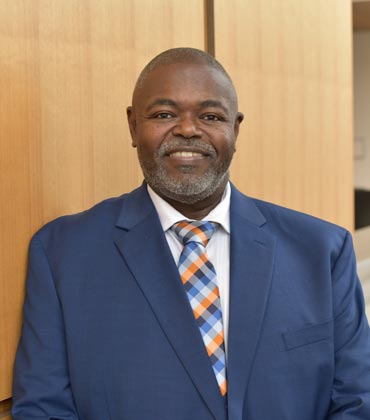
Shawn Davis
Government organizations often reflect the leadership guiding them. Leaders shape organizational culture, establish priorities and influence how effectively employees serve their communities. After more than 27 years in government, I continue to reflect on my leadership abilities and seek opportunities to grow. Over the past five years, I have embraced the motto “Leading with a Purpose,” which guides how I serve constituents.
Leading with purpose requires consistency, self-awareness and a willingness to learn. Leadership is not about having every answer; it is about remaining committed to the mission, recognizing opportunities for improvement and ensuring our work serves the greater good. The Power of Partnerships and Team Development One of the most valuable lessons I have learned is the importance of building strong internal and external partnerships. No organization succeeds in isolation. Collaboration allows us to share knowledge, maximize resources and develop solutions that might otherwise be difficult to achieve. In local government environmental services, operational efficiency requires strategic thinking and coordination. Every employee and division has a distinct role, and success depends on understanding how individual responsibilities support the organization's overall mission. As a divisional leader, I evaluate performance, identify opportunities for improvement and determine what training, tools and support employees need to succeed. Establishing clear expectations, encouraging communication and promoting accountability help align divisional goals with departmental objectives and countywide priorities. Strong partnerships also allow us to share expertise, address common challenges and accomplish more together. Doing More with Limited Resources Limited staffing and funding remain significant challenges for many government organizations. Service demands continue even when budgets and personnel cannot keep pace. These conditions require leaders to be resourceful, strategic and proactive. I encourage cross-training within my division to strengthen employee skills, improve flexibility and maintain continuity during staffing shortages or unexpected absences. Cross-training also promotes professional growth. Collaboration with other departments is equally important. Sharing expertise, coordinating priorities and providing support when resources permit can improve efficiency across the organization. Leadership means looking beyond immediate limitations and finding creative ways to maximize existing resources. Sometimes, the best solution is not acquiring more resources but using what we already have more effectively. Advancing Sustainability in Local Government Sustainability is increasingly important in delivering environmental services and maintaining county facilities. Our division has incorporated environmentally conscious practices into daily operations, including purchasing electric lawn mowers, weed trimmers, blowers and edgers.Sometimes, the best solution is not acquiring more resources but using what we already have more effectively.
The articles from these contributors are based on their personal expertise and viewpoints, and do not necessarily reflect the opinions of their employers or affiliated organizations.
